Biodegradation of Wastes

Biodegradation of Wastes

Environment Education Solutions: Biodegradation of Wastes

At World Forest Foundation, we recognize the critical importance of biodegradation in managing waste and reducing environmental pollution. Our approach to environment education includes:

  1. Education on Biodegradation Processes: We provide comprehensive education on the principles and processes of biodegradation, including how microorganisms break down organic materials into simpler compounds. Through workshops, seminars, and educational materials, we empower individuals and communities to understand the role of biodegradation in waste management.
  2. Training in Composting Techniques: Composting is a natural form of biodegradation that transforms organic waste into nutrient-rich compost. We offer training programs to teach individuals and communities how to compost effectively, whether at home, in schools, or in community gardens. By promoting composting practices, we divert organic waste from landfills and reduce greenhouse gas emissions.
  3. Awareness Campaigns on Biodegradable Alternatives: Many everyday products are made from materials that do not biodegrade easily, contributing to environmental pollution. Through awareness campaigns, we educate consumers about the importance of choosing biodegradable alternatives such as compostable packaging, biodegradable plastics, and natural fibers. By making informed choices, individuals can reduce the environmental impact of their consumption habits.
  4. Promotion of Anaerobic Digestion: Anaerobic digestion is another form of biodegradation that occurs in the absence of oxygen and produces biogas as a byproduct. We promote anaerobic digestion technologies for managing organic waste, particularly in agricultural settings and wastewater treatment plants. By harnessing biogas for energy generation, anaerobic digestion helps reduce reliance on fossil fuels and mitigate climate change.


Benefits of Biodegradation of Wastes:

  • Reduces the volume of waste sent to landfills, mitigating landfill overflow and associated environmental hazards.
  • Helps prevent soil and water pollution by breaking down organic waste materials into harmless compounds.
  • Produces nutrient-rich compost that can be used to improve soil fertility and support sustainable agriculture.
  • Generates renewable energy in the form of biogas through anaerobic digestion, contributing to energy security and reducing greenhouse gas emissions.
  • Promotes a circular economy by closing the loop on waste management and creating value from organic materials.
Share :

Want to donate by E-Banking ?

Not a problem, Or call us.

+91 94589 45874

Popular Solutions

Join the Movement for a Greener Future

Take action now and be part of the solution to combat climate change and preserve our planet’s precious resources for generations to come.

Donate Now

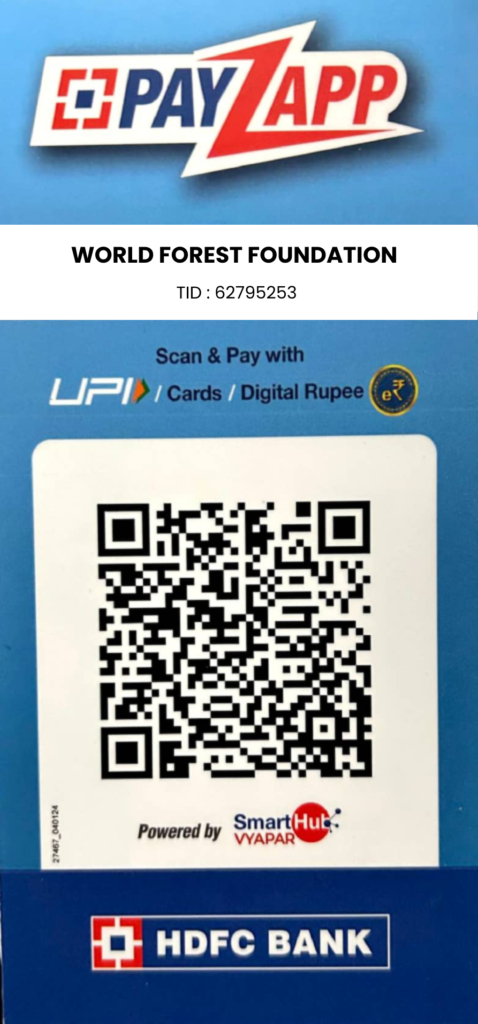
Thank you for considering a donation to support our mission of environmental conservation and sustainability. To donate using a QR code, simply scan the QR code provided below using your smartphone or mobile device. You will be directed to a secure donation page where you can choose the amount you wish to donate and complete the transaction securely.

DONATE VIA ACCOUNT TRANSFER

Account No. : 99921922222222
IFSC &  MICR Code: HDFC0006617
(used for RTGSIMPS  and NEFT  transactions)
Bank: HDFC BANK
Address: Khasra No 1054 & 1082, 1st Floor, Bhaniawala, Kanherwala
Distt. : Dehradun
State: UTTARAKHAND
PIN : 248161